The holidays bring families back under one roof, and with that comes a chance to notice things that are easy to miss the rest of the year. Maybe Mom grabs the towel bar every time she steps out of the tub. Maybe Dad has quietly stopped taking showers when no one else is home. For many Maine families, the bathroom is where conversations about staying safely in the home begin.
This checklist is meant to help you, whether you're the homeowner or the adult child visiting for the weekend. It separates quick fixes you can handle this week from upgrades worth bringing in a professional for, so you can decide without feeling rushed.
Identify the Warning Signs During Holiday Visits.
You don't need to be a safety expert to notice when a bathroom no longer works for someone. A few things worth watching for during a visit:
- Hesitation at the tub wall. Stepping over the side of a tub is one of the harder movements in a bathroom. If someone pauses, braces on the sink, or steps in sideways, pay attention.
- Using the wrong things for support. Towel bars, shower doors, and the edge of the vanity aren't built to hold body weight. If they're being used that way, the bathroom is missing real support.
- Bunching or sliding mats. A mat that curls at the edges or slides on the floor is a trip hazard, not a safety feature.
- Avoiding the shower or tub. If someone washes up at the sink instead, or times showers for when someone else is home, the bathroom may feel unsafe to them even if they haven't said so.
- Dim lighting or a long walk in the dark. Nighttime trips to the bathroom are a common time for slips.
None of these mean something is wrong with the person. They usually mean the room hasn't kept up with their needs, and that's fixable. If there are specific mobility or balance concerns, a doctor or occupational therapist can offer guidance tailored to the individual.
Quick Fixes You Can Do This Week
Before any remodeling conversation, a handful of changes cost little and make a bathroom noticeably safer:
- Replace or remove loose throw rugs. Use a rubber-backed, nonslip mat that lies flat outside the tub or shower, and wipe up water right away.
- Add nonslip strips or a mat inside the tub or shower. Clean them regularly so soap doesn't build up and defeat the grip.
- Brighten the room and the path to it. Bright, even lighting in the bathroom plus night lights or motion-sensor lights along the route from the bedroom make late-night trips safer.
- Move everyday items within easy reach. Keep towels, toiletries, and medications between shoulder and hip height so no one has to stretch or crouch.
- Clear the floor. Laundry baskets, cords, and trash cans have a way of ending up exactly where someone needs to walk.
These are good first steps, but they work around the bathroom layout rather than changing it. That's where the next list comes in.
8 Upgrades That Make a Bathroom Safer
These changes address the room itself. Some can be added on their own, and others are part of a larger conversion.
- Properly installed grab bars. Look for bars anchored into wall studs or reinforced blocking. Towel bars and suction-cup bars aren't a safe substitute. Common spots include beside the toilet, at the shower entrance, and along the tub or shower wall. Maine Luxury Bath Systems offers grab bars as part of its accessibility solutions.
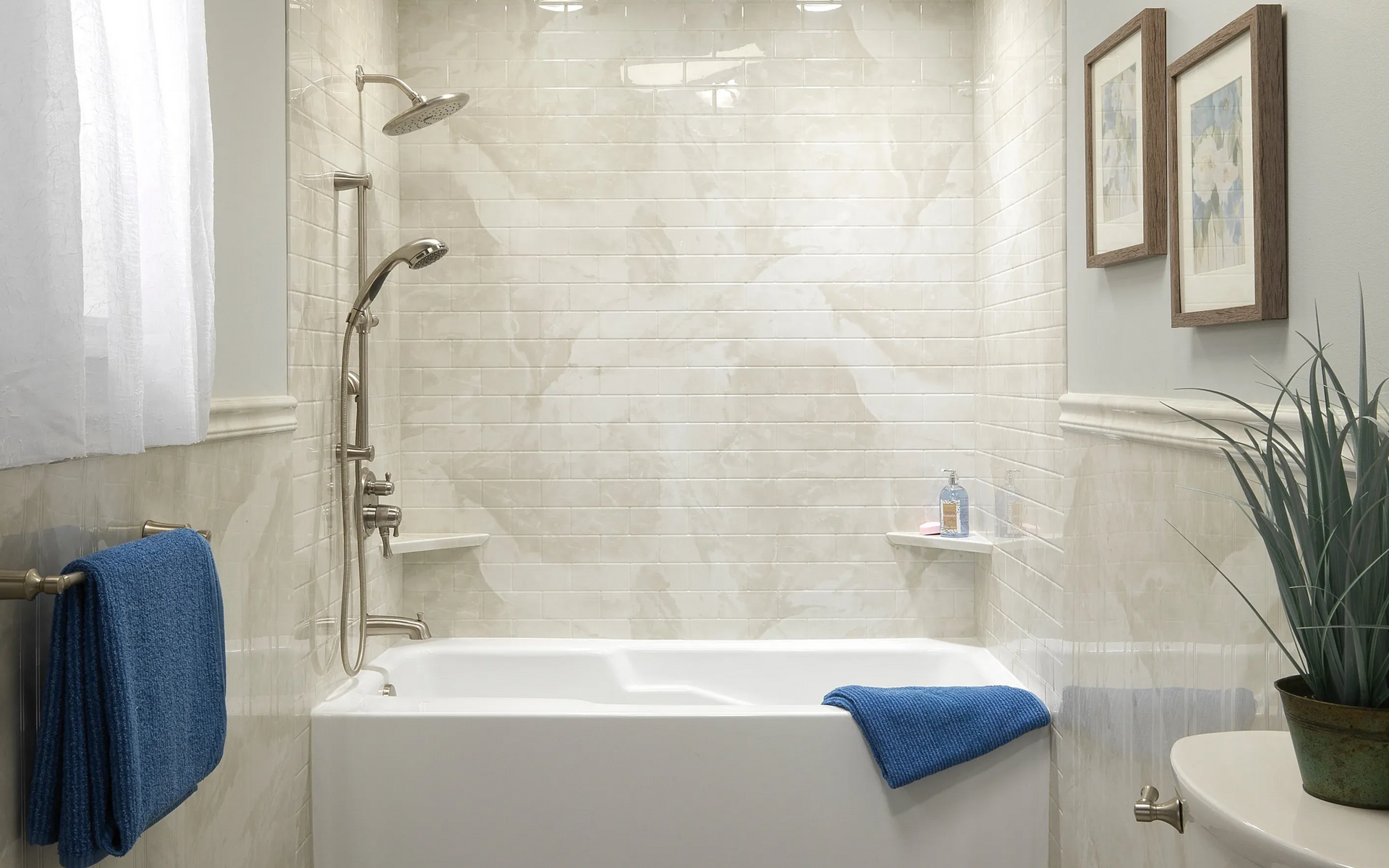
- A low- or no-threshold shower entry. Removing the step-over eliminates the single hardest movement in many bathrooms.
- Slip-resistant surfaces. Surfaces designed to grip when wet do more than a mat that can shift.
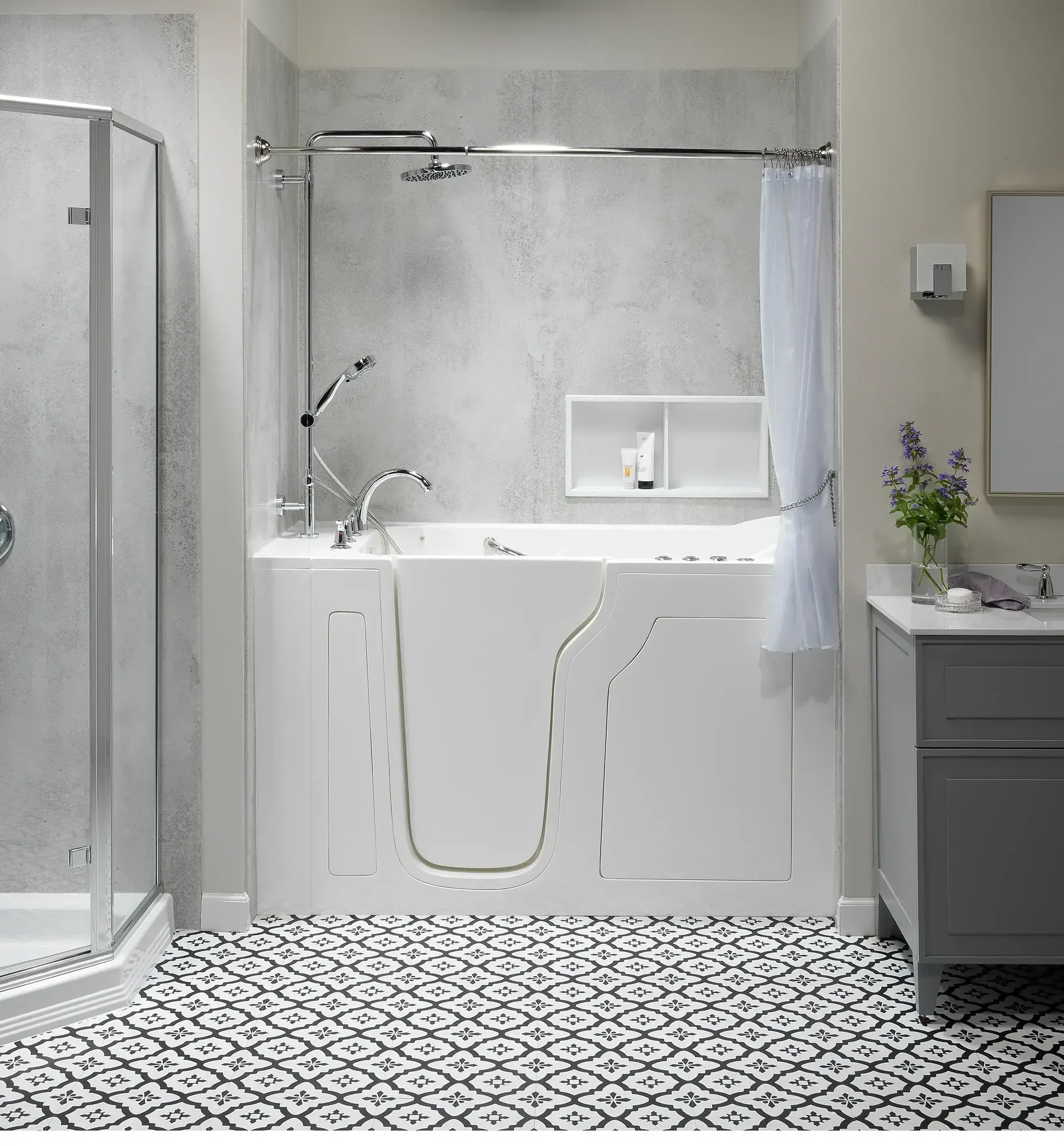
- Secure seating. A shower chair works well with a low-threshold shower, while a transfer bench suits a tub-and-shower combination, since it lets a person sit outside the tub and slide in instead of stepping over the wall.
- A handheld showerhead. It reduces twisting and standing time, and it's easier to use from a seated position when the controls are within reach.
- Brighter, glare-free lighting. Good lighting helps anyone judge a threshold or a wet floor, and it matters even more for people who wear bifocals or progressive lenses.
- Comfort-height fixtures. A comfortable toilet height lets a person sit and stand with both feet flat on the floor.
- Reachable storage. Built-in niches and shelves at the right height keep essentials within reach.
Several of these, especially the threshold, seating, and grab bars, come together naturally in a single project.
Read how tub-to-shower conversions improve access and safety
When a Conversion Beats Small Fixes
Mats, strips, and night lights help, but they can't remove the tub wall. If the main challenge is getting in and out of the tub, a conversion usually solves the problem more completely than a stack of add-ons. Two common paths:
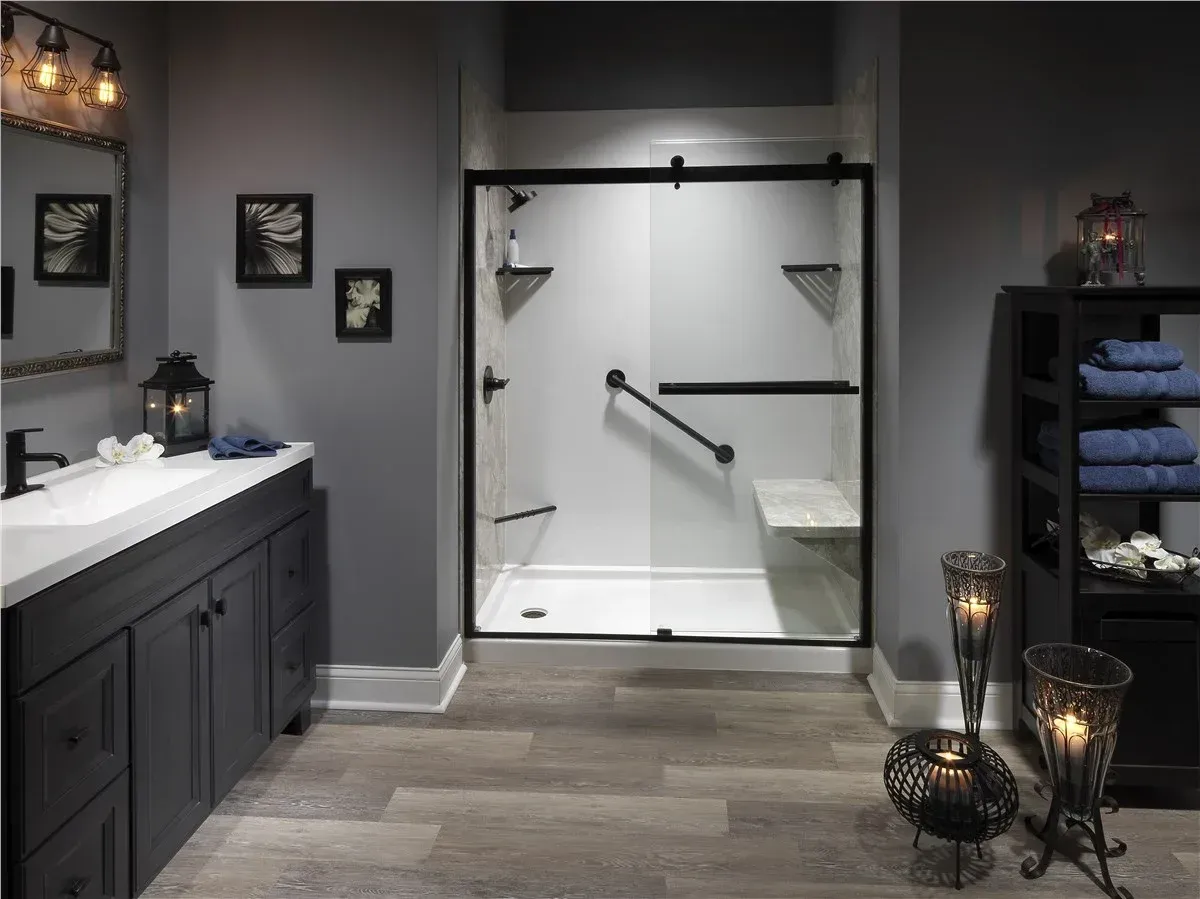
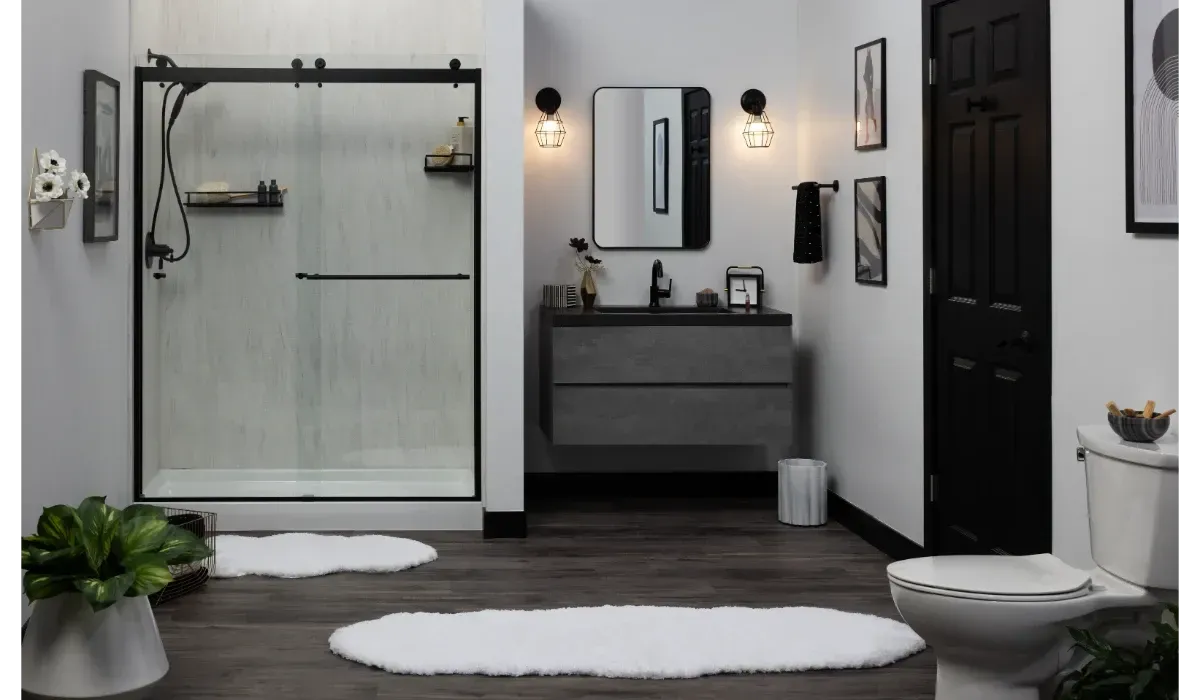
- Tub-to-shower conversion. Replaces the tub with a walk-in shower with low or no threshold, built-in seating options, and grab bars placed where they're needed. It's often the right choice for someone who can stand and walk but finds the tub wall difficult.
- Walk-in tub. Features a low-entry door and built-in seating, and some people prefer it if they enjoy a soak and want to bathe seated. Our guide
The right answer depends on the person using the bathroom, how they move, and what they enjoy, which is why we recommend talking through options in person rather than picking from a catalog.
How to Bring It Up Without Making It Awkward
If you're the visiting family member, the conversation matters as much as the checklist. A few things that tend to help:
- Lead with the house, not the person. "I noticed the tub is tall. Would a shower with a low step be easier?" lands better than "I'm worried you'll fall."
- Ask what they'd change. Many people already have an idea, and they're more likely to follow through on something they chose.
- Plan it together. A free in-home consultation puts a professional in the room to answer questions, so the decision doesn't rest on the family alone.
Request a free, no-obligation consultation
Make the Bathroom Work for the Years Ahead
Staying in the home you love is a reasonable goal, and the bathroom is one of the most important rooms to get right. Start with the quick fixes this week, then use the larger upgrades as a guide for a conversation with a professional. When you're ready, Maine Luxury Bath Systems offers free quotes and can walk you through accessibility options for your home.
FAQ
What's the most important bathroom safety upgrade for older adults?
It depends on the person, but properly installed grab bars and a low- or no-threshold shower entry address two common problem areas: getting in and out and having something solid to hold. A professional assessment of your specific bathroom can help prioritize.
Can I use suction-cup grab bars instead of installing them in the wall?
Suction-cup bars aren't recommended as the main source of support. Anchor grab bars into wall studs or reinforced blocking so they can reliably support a person's weight.
Is a walk-in shower or a walk-in tub better for aging in place?
Both can work well. A walk-in shower with low or no threshold is often a good fit for people who can stand comfortably, while a walk-in tub offers seated bathing with a low-entry door. We recommend talking through your needs and preferences during a free consultation.
Do I need a doctor's recommendation before making accessibility changes?
A doctor's recommendation isn't required to remodel, but if you have specific balance, strength, or mobility concerns, a doctor or occupational therapist can offer personalized guidance on which features will help most.
Can accessibility upgrades be done in a single day?
Many tub-to-shower conversions can be completed in as little as one day, depending on the project. Your consultant can give you a specific timeline after assessing your bathroom.