If you're planning a bathroom remodel with safety and accessibility in mind, you've probably narrowed it down to two top contenders: a walk-in tub or a walk-in shower. Both are excellent options for reducing fall risk and making daily bathing easier — but they serve different needs, and the right choice depends on your household, your home, and how you like to bathe.
Here's how to decide which one fits your Maine home best.
What Is a Walk-In Tub?
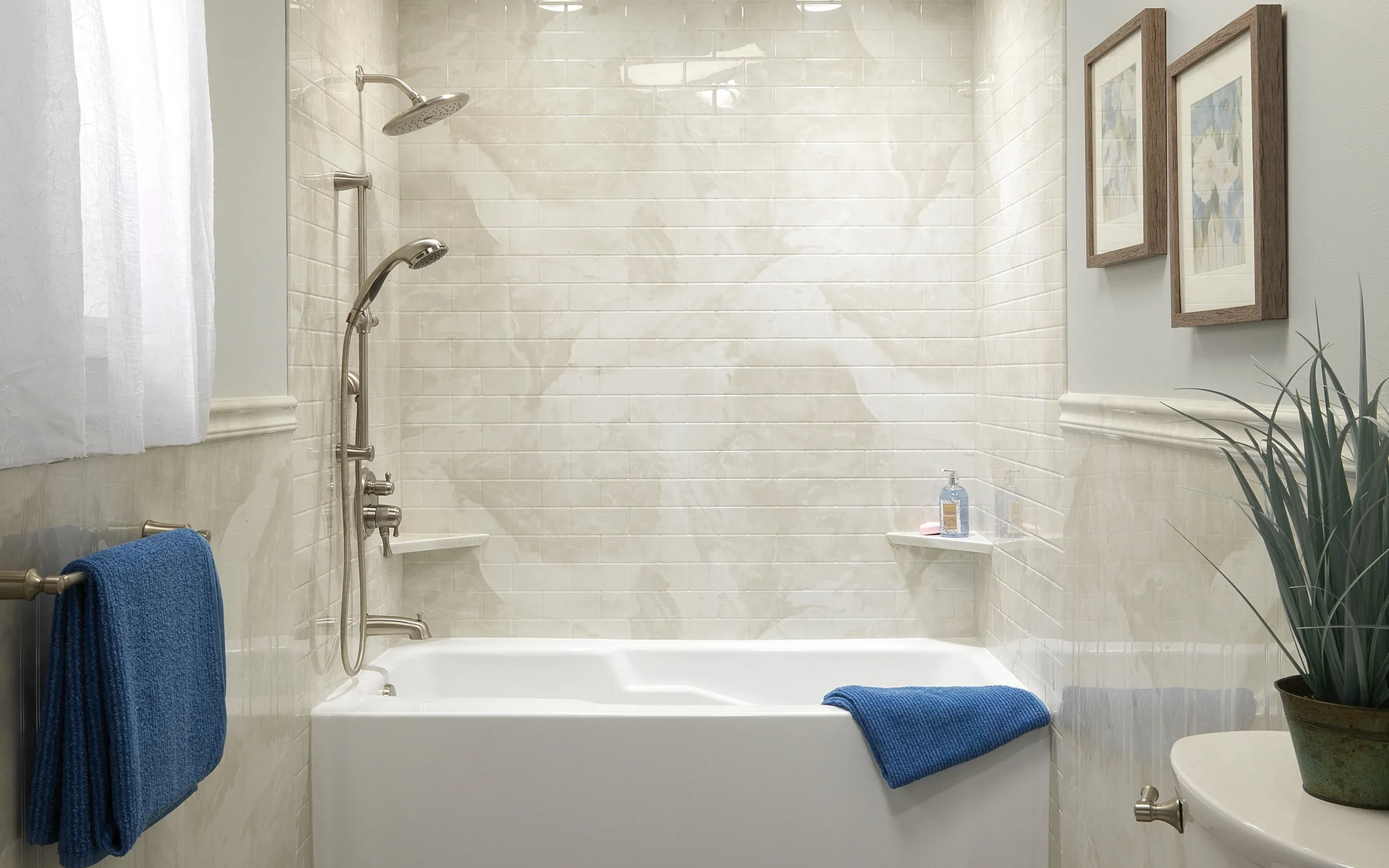
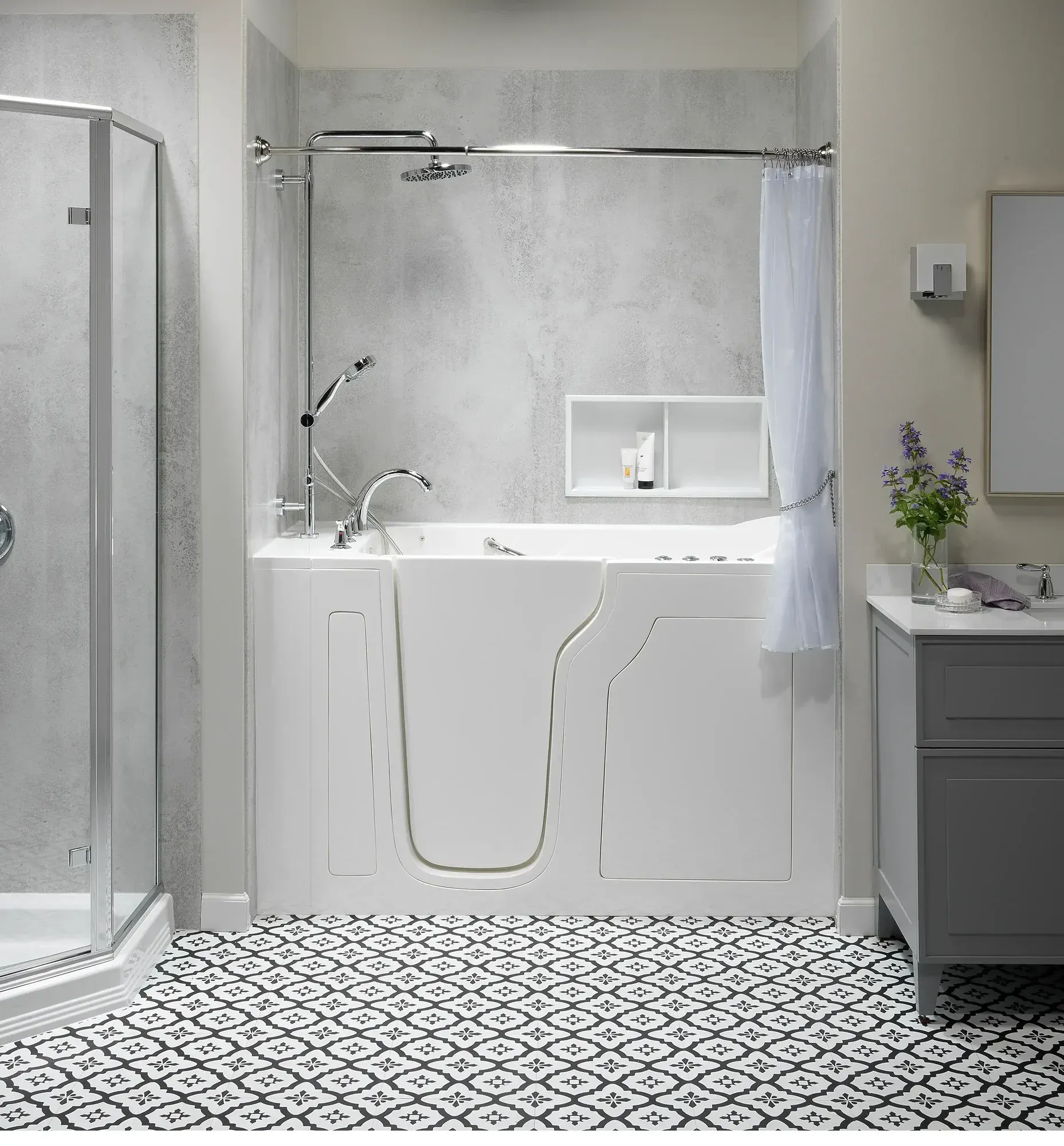
A walk-in tub features a door built into the side, so you can step in without climbing over a high tub wall. Once inside, you sit on a built-in seat and the door seals shut before filling.
Best for:
- Homeowners who enjoy soaking baths and want therapeutic benefits
- People managing arthritis, chronic pain, or circulation issues (many models include hydrotherapy jets)
- Single-user bathrooms where a slower, more ritual-based bathing routine works well
Trade-offs to consider:
- You have to wait for the tub to fill and drain before entering or exiting, which can mean sitting in cool water briefly during colder months
- Not ideal for households with multiple people sharing one bathroom, since baths take longer than showers
What Is a Walk-In Shower?
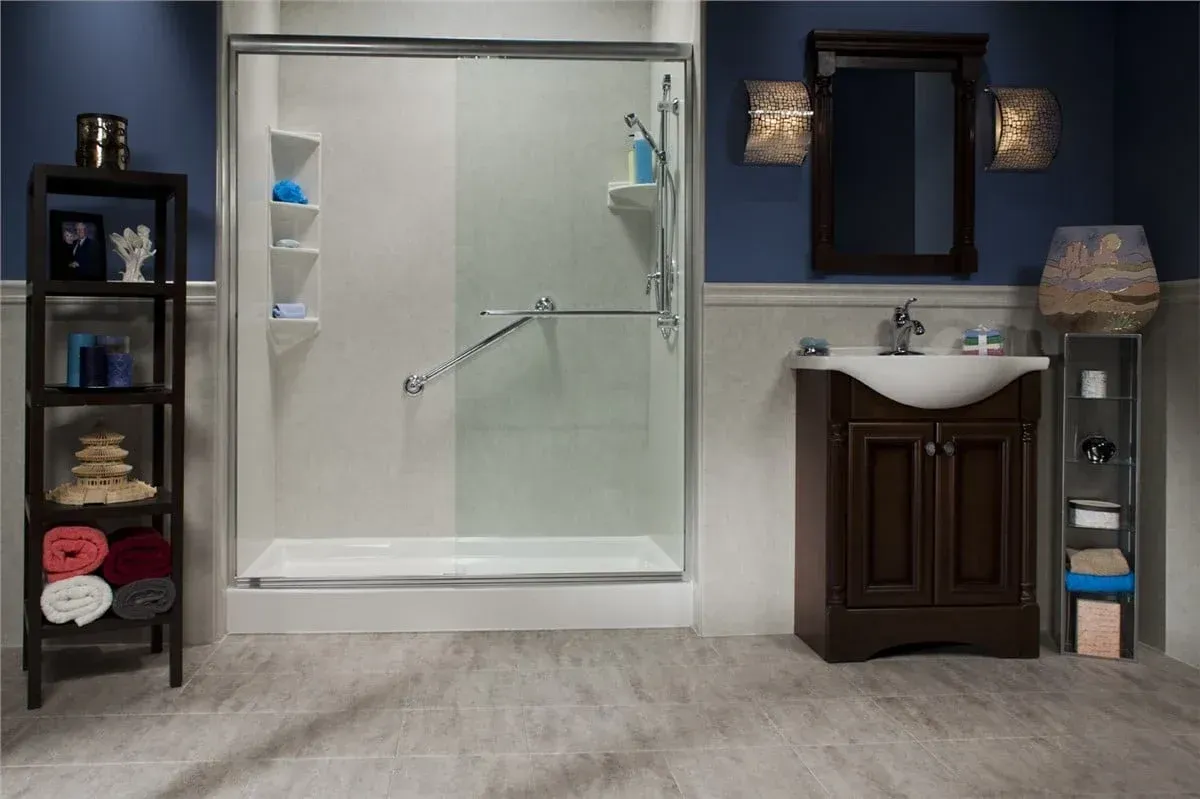
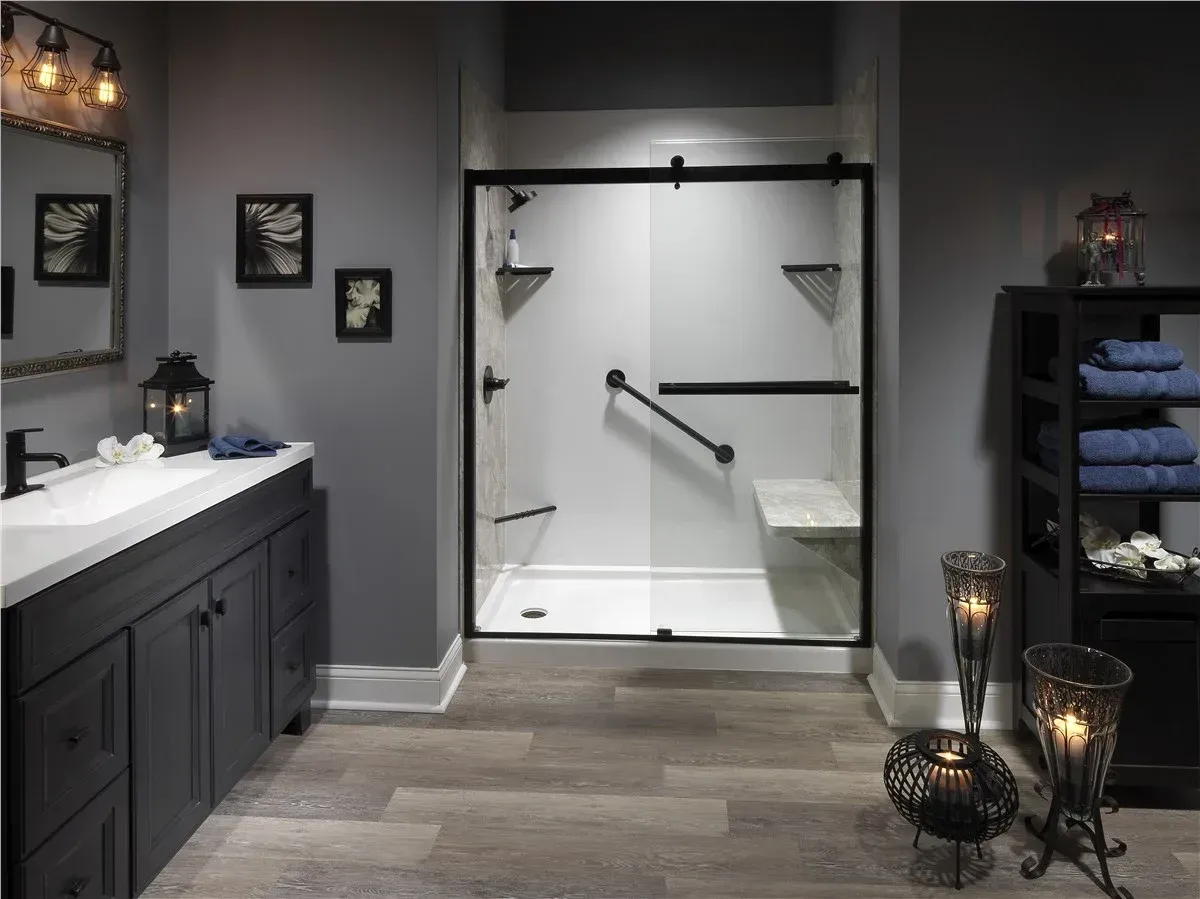
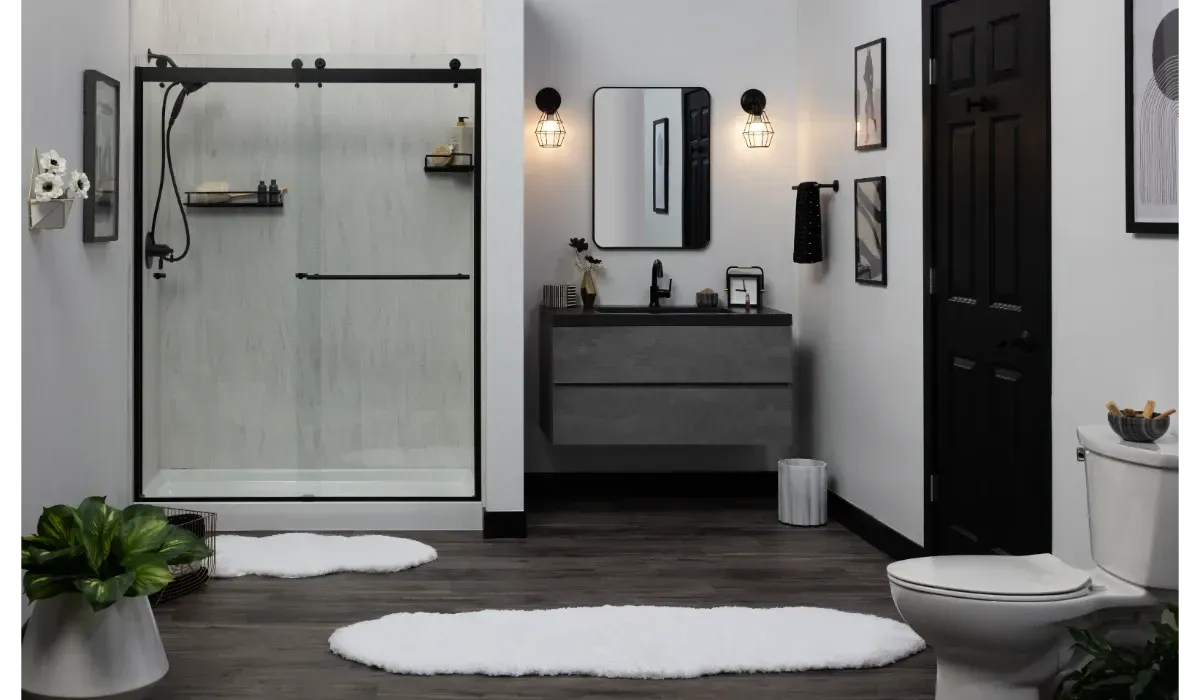
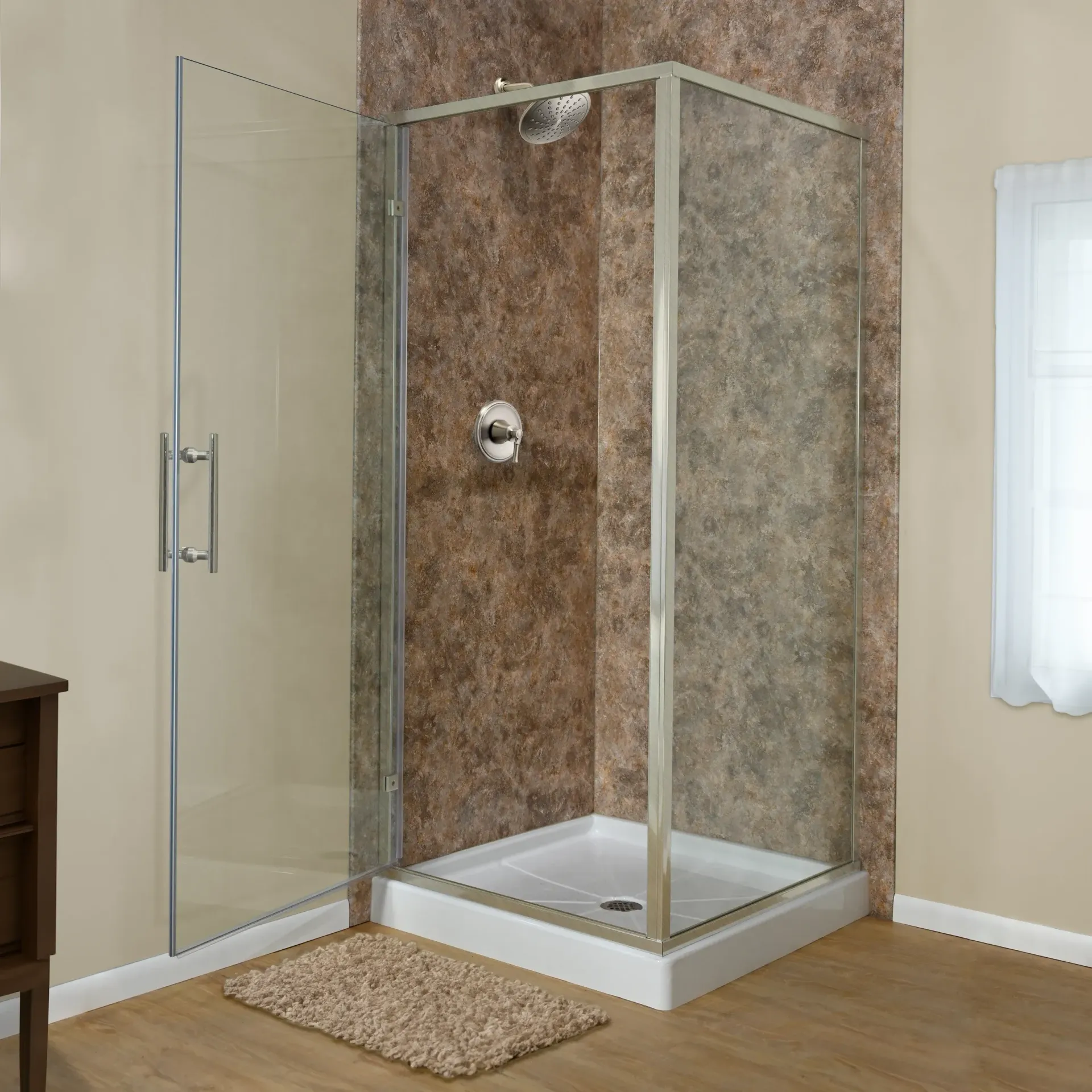
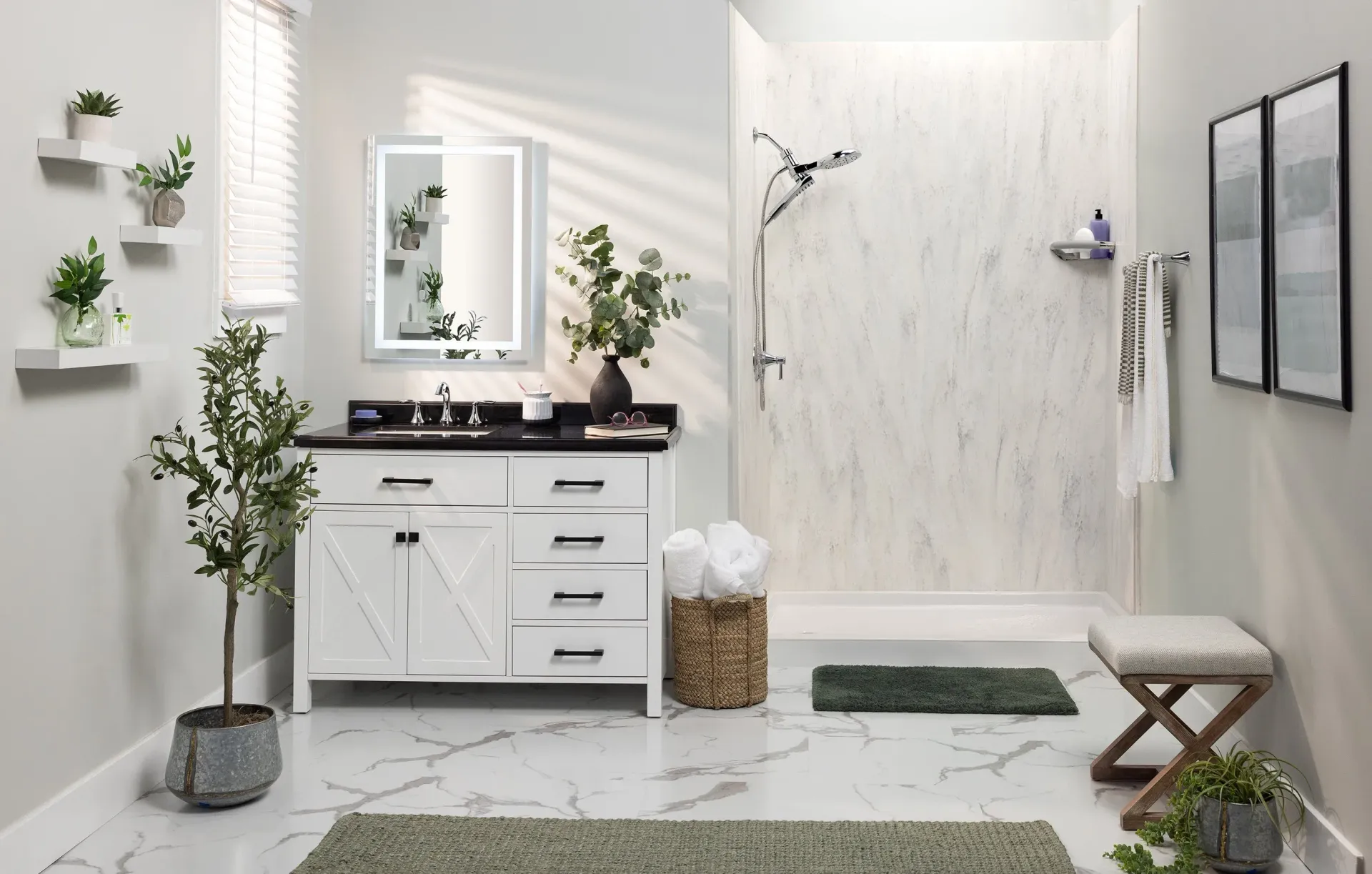
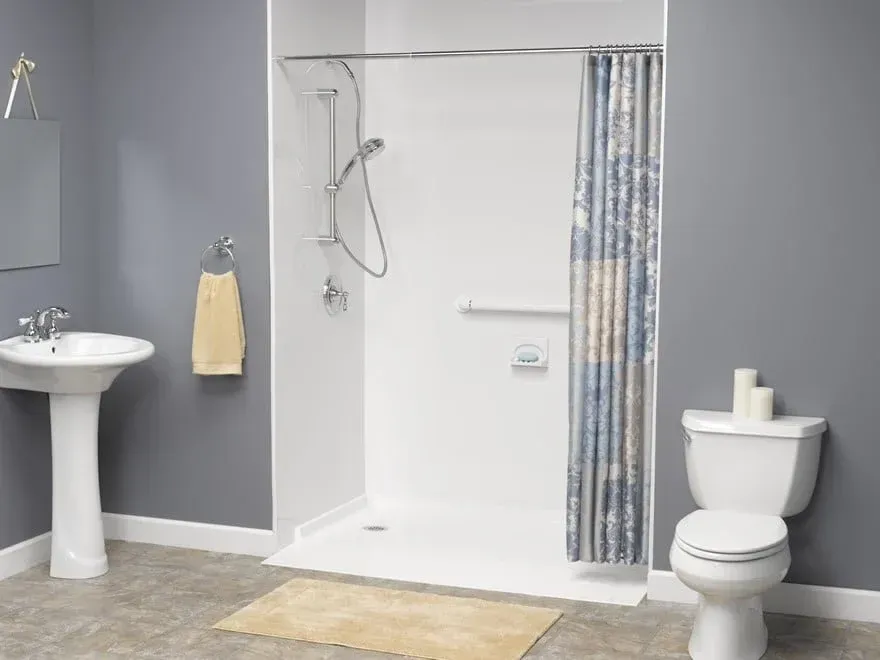
A walk-in shower (sometimes called a curbless or low-threshold shower) has no barrier to step over. It's designed for quick, easy entry and exit — often paired with a bench seat, grab bars, and a handheld shower head.
Best for:
- Multi-generational households where quick turnover matters
- Anyone using a wheelchair, walker, or transfer bench
- Homeowners prioritizing resale value, since showers tend to appeal to a broader range of buyers
Trade-offs to consider:
- No option for a soaking bath if that's part of your relaxation routine
- Proper slope and drainage design are essential to prevent water pooling, especially in older Maine homes with uneven subfloors
Maine-Specific Factors That Matter
Choosing between the two isn't just about personal preference — where you live plays a role too.
- Heating costs: Walk-in tubs take time to fill with hot water, and in Maine winters, that can mean a higher hot water demand during peak usage. Walk-in showers use less water overall per use.
- Older home layouts: Many Maine homes, especially older farmhouses and capes, have compact bathrooms. Walk-in showers often fit more flexibly into tighter footprints, while walk-in tubs need adequate clearance for the door to swing open.
- Resale value: If you're planning to sell in the next several years, a walk-in shower is generally viewed as more universally appealing than a walk-in tub, which some buyers see as a specialty fixture.
- Aging in place: If your goal is to stay in your home long-term, either option significantly reduces fall risk — the right choice comes down to whether soaking or quick access matters more to your daily routine.
Questions to Ask Before You Decide
- Do I prefer baths or showers day to day?
- Will more than one person be using this bathroom regularly?
- How much space does my current bathroom layout allow?
- Am I remodeling for long-term accessibility, resale value, or both?
- Do I want added features like hydrotherapy jets, a bench seat, or grab bars?
Let's Find the Right Fit for Your Bathroom
There's no one-size-fits-all answer — the best choice depends on your space, your habits, and your household's needs. Our team can walk you through both options in person, including material choices like our PuroStone™ surfaces, and help you design a bathroom that's safe, beautiful, and built for how you actually live.
Ready to explore your options?
Schedule a free consultation with Maine Luxury Bath Systems today.